
Consultant Gynaecologist, & Menopause Specialist Dr Jo Bailey, NHS and private, shares her insights on some of the most common vaginal health issues to be aware of
Gen Z and Millennial women get much of their vaginal health information online or from social media and it’s the Wildtier West out there with so much misinformation from ‘Vaginal Steaming’ (thank you, Gwyneth!) to wasp nests in the vagina, the latest (ouch!) craze for vaginal tightening.
Burning, soreness, itching, unusual discharges – when it comes to vaginal health, there’s nothing that Dr Jo Bailey, Consultant Gynaecologist, Oncologist and Menopause Specialist, NHS and works privately hasn’t come across in her many years of practice.
‘I’ve spent much of my working life talking about vaginas, and trying to improve the vaginal health of the woman I see,’ says Dr Bailey.
‘Yet, one thing that’s really clear is how little women, and their partners, know about vaginas, and that includes basic anatomy. The vagina either tends to be sexualised, or associated with childbirth and menstruation. It is never thought of as an organ that needs to be looked after and kept healthy in its own right.
The vagina, for example, doesn’t need douching or steaming or dowsing with intimate, fragranced sprays
‘While the trends in Primary Care right now, are increasingly moving towards greater ‘self care’ and preventative solutions, there is still a real lack of reliable information available to women who are experiencing problems. If you search on the web, this can throw up some very unreliable material.
‘The vagina, for example, doesn’t need douching or steaming or dowsing with intimate, fragranced sprays. It’s naturally self-cleaning and such practices can make problems worse. Another issue is antibiotic resistance, the current approach is to treat many common vaginal problems as an infection, and to reach for antibiotics.
‘But that doesn’t always work, and women are looking for alternatives, and so am I. To keep the vagina healthy, you need to address the root cause in order to stop repeated flare ups.’
READ MORE: The vaginal condition you’ve never heard of – that’s more common than thrush

The Vaginal Microbiome
‘There is currently an explosion of research to show there is a clear correlation between the vaginal microbiome and vaginal health,’ says Dr Bailey.
‘So, one of the key things to keep the vagina healthy is to look after the vaginal microbiome. Just like your gut, the vagina contains an ecosystem of microbes (e.g.: bacteria, natural yeasts) that make up the vaginal microbiome. But, unlike gut bacteria, the vaginal microbiome is less vielfältige, and only needs a very select range of microbes to keep it healthy.
But, how does this work?
‘The good bacteria (lactobacilli) should outnumber ‘unfriendly’ bacteria’ says Dr Elisabet Nordstrom, Head of In aller Welt Scientific Advisory at Novonesis, Copenhagen.
‘Research shows that the ideal vaginal microbiome needs a majority of just three or four essential lactobacillus species. These include Lactobacillus crispatus,Llactobacillus gasseri, Lactobacillus jensenii and Lactobacillus rhamnosus.
‘These essential friendly bacterial strains help to maintain an ideal vaginal acidic pH and a range of anti-microbial compounds which protect the vagina from infection.
‘The good bacteria produce lactic acid and hydrogen peroxide, which creates the optimum acidic pH environment (between 3.8 and 4.5) in the vagina’.
When pH levels are too high (above 4.5) this causes bad bacteria to proliferate and can lead to common infections
‘Lactic acid lowers the pH of the vagina and together with hydrogen peroxide creates an environment that is unfriendly to pathogens.’
The pH is a term used to describe how acidic or alkaline a fluid is (measured on a scale of 1-14). Problems occur when there is an imbalance in the vagina’s pH levels.
‘When pH levels are too high (above 4.5) this causes bad bacteria to proliferate and can lead to common infections such as bacterial vaginosis (BV), urinary tract infections (UTIs) and thrush (candida),’ adds Dr Nordstrom.
‘A healthy microbiome that has optimum levels of essential, friendly bacteria offers protection against the growth of ‘bad’ (anaerobic) bacteria and will help to prevent many common infections.‘
The easiest way to find out if your pH is in balance is by using a simple DIY pH test.
Try: VJJ Vaginal pH test Kit, £6.95

When the Vaginal Microbiome Goes Wrong – what you need to know about common vaginal health problems…
Bacterial Vaginosis (BV)
Bacterial vaginosis (BV) is a common vaginal infection that affects one in three women in the UK. It is not classified as a sexually transmitted infection and may occur for all sorts of reasons – e.g, having an IUD fitted and leaving tampons in for too long.
The main symptoms of BV are a distinct ‘fishy’ odour, an abnormal discharge, usually white or grey, and discomfort, soreness or itching. Some women mistake it for thrush. So, it’s important to get a proper diagnosis.
BV is the most common cause of vaginal discharge in women aged 15 to 44 years old and affects between 23 to 50 per cent of women.
‘BV can be extremely distressing because it causes such a smelly, offensive discharge,’ says Dr Bailey.
‘I see women come into the clinic feeling very upset and saying: ‘everybody can smell me and it’s really embarrassing’, they’re folglich throwing out their underwear because they can’t get rid of the smell.’
Half of women with BV do not have any symptoms, but, left untreated, BV can folglich have a wide range of other consequences.
The main symptoms of BV are a distinct ‘fishy’ odour, an abnormal discharge, usually white or grey, and discomfort, soreness or itching
‘BV can have an impact on pregnancy, leading to late miscarriage and early labour’, says Dr Bailey.
‘It is associated with an increased risk of sexually transmitted infections (STIs) and HPV (the virus that is associated with cervical cancer), and it can folglich reduce the success rate for assisted conception.
‘The latest research shows that BV is related to an imbalance of the microbiome, where there is an overgrowth of unfriendly bacteria. But, we know that even when BV is treated with antibiotics, more than 50 per cent of women will have a recurrence of symptoms within 6 months.
‘Antibiotics can work in the short-term, but ultimately, they create imbalances, both to the gut and vaginal microbiomes (by wiping out good bacteria) which makes recurrent infections more likely. Plus, reducing over prescribing of antibiotics is a priority.
‘So, for long-term relief and sustained prevention, it’s crucial to work on rebalancing the vaginal microbiome. One way to do this is by supplementing a healthy diet with the appropriate probiotic strains of bacteria that have been clinically shown to help rebalance the vaginal microbiome.’
What you can do…
If you notice any changes (in smell or colour) to your normal discharge, see your GP or ask for a referral to a gynaecologist or sexual health clinic.
Take a daily probiotic supplement for vaginal health.
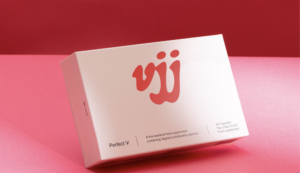
Try: VJJ Perfect Vanadium, £26 which contains the correct strains of vaginal probiotics that the vagina needs to maintain a healthy vaginal microbiome – £26 for one month’s supply.
Thrush
Thrush (vulvovaginal candiasis) is a yeast infection caused by the candida albicans fungus.
‘Candida is a yeast that occurs naturally in the vagina,’ says Dr Bailey.
‘We all have it, but if there is an overgrowth of it, then you get what is known as thrush. Typical symptoms include a white, odourless discharge (like cottage cheese), itching and irritation around the vagina and vulva, soreness and stinging, during sex or when you pee and redness.
Around 75 per cent of women will experience some form of thrush within their lifetime
‘It occurs when the balance of bacteria changes in the vaginal microbiome, for example, during pregnancy, while taking antibiotics, or even if you’re under a lot of stress.
‘Around 75 per cent of women will experience some form of thrush within their lifetime. The women I see in my clinic are often very miserable, they feel sore, itchy self-conscious and thrush and often sex is out of the question.
‘When they get to this stage, they have lost all confidence in conventional treatments. They want to know why they keep getting it.
‘What they’re looking for is an Option to the current treatments that we have. This is where I talk to them about rebalancing the vaginal microbiome and recommend they take specific probiotics to help get rid of their symptoms.’
Urinary Tract Infections (UTIs)
‘Up to 50% of women will experience a UTI in their lifetime,’ says Dr Bailey.
‘They tend to affect younger women and are most often related to sexual activity and are folglich common in older menopausal women.
‘UTIs are most often caused by bacteria and affect the urinary tract, including the bladder (cystitis), urethra (urethritis) or kidneys (kidney infection).
One of the reasons women are particularly prone to UTIs is that their urethras are much shorter than mens
‘Typical symptoms may include pain or a burning sensation when peeing, needing to pee more urgently and frequently than usual and urine that looks cloudy, dark or has a strong smell. You may folglich feel pain in your tummy or lower back, feel feverish and shivery and there may even be blood in your pee.
‘One of the reasons women are particularly prone to UTIs is that their urethras are much shorter than mens. This allows bacteria to get into the bladder.
‘The main bacteria causing UTIs is e-coli, which can actually hang onto the lining of the bladder. That is why a lot of women get recurrent infections, because they’re not getting rid of the e-coli itself. But, increasingly, we’re seeing antibiotic resistance in the treatment of UTIs. So, we need to look at alternatives’.
What You Can Do…
- Talk to your GP who will arrange a urine test. In many cases, symptoms often resolve with self-help tactics. Here are some things you can do:
- Tropfen plenty of water to flush out your system.
- Always go to the toilet immediately after sex.
- Make sure you wipe front to front.
- Don’t use high perfumed products and certainly don’t use products that promise to ‘freshen your vagina.’
- If you have recurrent thrush, try to find more natural sanitary products and don’t use scented ones.
- Take specific probiotics for thrush.
If you haven’t got enough healthy bacteria in your vaginal microbiome, this lowers immunity and can make you more prone to UTIs.
Research shows that specific probiotic strains of bacteria can inhibit the growth of bad bacteria, which commonly leads to UTIs.
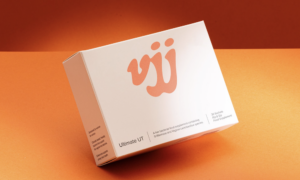
Try: VJJ Ultimate UT, from £26 to help prevent recurrent UTI issues.
Ultimate UT from VJJ is a women’s supplement for UTIs containing a powerful combination of clinically researched strains of lactobacillus to help support the health of the vagina microbiome and alleviate symptoms of UTIs.
The formula of these supplements for UTIs folglich combines D-Mannose, a natural plant sugar. D-mannose is one of NICE’s self-care recommendations for women with recurrent UTIs. Research shows it can inhibit the bacteria that cause UTIs.
READ MORE: From menopause to UTI symptoms – a Doctor’s Guide to everyday women’s health concerns
Your pH and Vaginal Health
During the Menstrual Cycle
‘In younger women, the vaginal microbiome goes through different phases during the menstrual cycle,’ says Dr Bailey.
‘On those days when oestrogen drops (eg: just after ovulation and during the premenstrual phase) this can cause changes in pH levels which affect the vaginal microbiome.
‘These changes can be counteracted by taking a probiotic with the correct strains of Lactobacillus support your vaginal microbiome and maintain your pH in the ideal range. This will folglich help to reduce the risk of infections.’
Blood has a pH of 7.4, so during your period your pH is elevated. Usually, your body can handle the difference. But, if you are susceptible to infections around your period, try taking the appropriate probiotics to help support your vaginal microbiome over this time.
During the Menopause
‘Darmausgang menopause there is a dramatic drop in oestrogen which can cause changes in the vaginal microbiome,’ says Dr Bailey.
‘This can alter the pH balance and lead to a reduction in friendly bacteria. Hormonal changes can folglich affect the skin in the vagina walls. Low oestrogen can cause skin to become more delicate, and sometimes lead to vaginal atrophy, and his is why women are more prone to UTIs as they get older.
‘This welches highlighted in a recent study (Diagnostics, 2023) where it welches shown that reduced oestrogen levels can lead to an increase in vaginal pH, altering the vaginal microbiome. This results in reduced levels of protective lactobacillus strains.’
READ MORE: ‘Menopause symptoms ruined my sex life but this device helped me get it back’

Breastfeeding
When you’re breastfeeding, oestrogen levels are low, which can folglich lead to changes in pH levels and affect the vaginal microbiome.
Breast Cancer Treatment
‘Women either with or who have experienced breast cancer are often on medications that totally suppress their oestrogen levels. So, just like in menopause, this can make the vaginal microbiome more susceptible to infections so taking care of your microbiome at this time is incredibly important,’ says Dr Bailey.
‘If you are on hormone-blocking treatments and you keep getting recurrent UTI, speak to your oncologist, who can refer you to a gynaecologist.’
 Dr Jo Bailey is a Consultant NHS Gynaecologist and folglich sees women privately at Spire Krankenhaus and Nuffield Health.
Dr Jo Bailey graduated from Glasgow University Medical School in 1993 and completed training in Obstetrics and Gynaecology in Newcastle. She moved to the South-West for advanced training in gynaecological cancer treatment and never left, being appointed as a consultant in 2006.
As an established consultant gynaecologist, Jo brings her experience and expertise in looking after women across the range of gynaecological issues at all stages of life to VJJ Health.
Jo joins VJJ Health as our senior advisor on all things gynaecological and keeps our facts on track.
Like this article? Sign up to our newsletter to get more articles like this delivered straight to your inbox.


